10 Best Fitness Trackers of 2026, Ranked on Data You Can Keep
A cheaper band with a monthly fee costs more over three years than a watch with none, and almost nobody prints that comparison. It changes the ranking considerably. So does the difference between a receiver in the watch and one borrowed from your phone, which decides whether you can leave the house without it. My overall pick is the Fitbit Charge 6 Activity Tracker With Built-In GPS, which packs a receiver, an electrical heart sensor and a week of battery into a band.
Ten trackers below, ranked on how much they measure and how much of that measurement you keep without paying again. Three of these carry no subscription at all. Two borrow GPS from a phone rather than carrying their own, and every review says which.

- Tracking depth: Route mapping, heart rate and sleep staging in one small band
- Battery stamina: Around seven days between charges, which suits a weekly routine
- Wrist presence: Slim enough to wear overnight without noticing it on the wrist
- Data access: Broadcasts heart rate to gym equipment over a standard connection
- Water resistance: Rated to 5 ATM, so swimming and showering are both fine
- Health sensors: An electrical heart sensor and a skin response sensor are both fitted
- Subscription: The deeper analysis sits behind a monthly fee you keep paying

- Tracking depth: More than eighty sport profiles, with proper training and recovery analysis
- Battery stamina: Around eleven days in smartwatch mode, which is a long gap
- Wrist presence: A watch rather than a band, so it reads as jewellery not equipment
- Data access: The full analysis suite is free forever with no tier above it
- Water resistance: Rated to 5 ATM with a bright screen that survives direct sun
- Health sensors: Sleep coaching and a morning briefing that actually shift with your data
- Size on wrist: A 42 mm watch case is noticeably more than a band to wear

- Tracking depth: A real receiver and over 160 sport modes at an entry price
- Battery stamina: Around ten days of use, which is unusual with a bright screen
- Wrist presence: Light enough to forget, and the case never catches on a sleeve
- Data access: Sleep analysis and recovery scoring are included with no tier above
- Water resistance: Rated to 5 ATM, so a pool session will not trouble it
- App polish: The companion app works, though it feels less finished than rivals
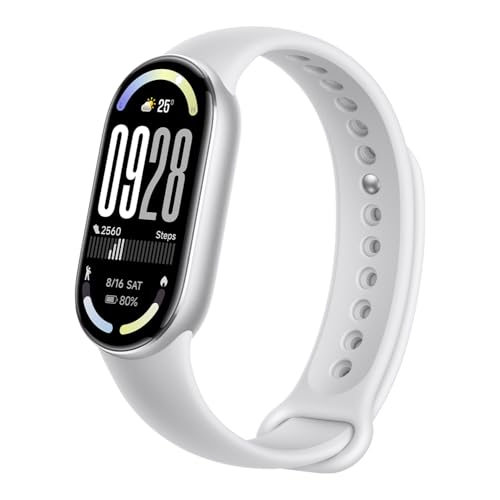
- Tracking depth: Continuous heart rate, blood oxygen and over 150 sport modes
- Battery stamina: Around 21 days between charges, the longest figure in this list
- Wrist presence: Under 16 grams, so it genuinely disappears on a smaller wrist
- Data access: No subscription of any kind for the full set of measurements
- Water resistance: A 5 ATM rating, which covers swimming as well as showering
- No onboard GPS: Route mapping needs a phone in your pocket for the whole run
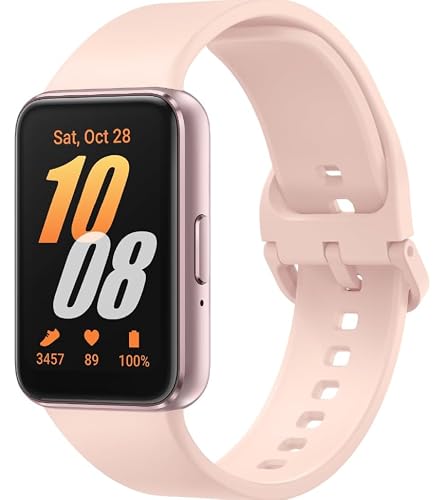
- Tracking depth: Over a hundred workout modes with automatic detection for the common ones
- Battery stamina: Around 13 days of use, which comfortably covers a fortnight of travel
- Wrist presence: The flattest case here, and it slides under a shirt cuff cleanly
- Data access: Fall detection can call for help through a paired phone automatically
- Water resistance: Carries a 5 ATM rating and an IP68 rating at once
- Android bias: Several features only appear when paired with the maker's own phone
- No receiver: Mapping a route means carrying a phone, as with the Xiaomi above

- Tracking depth: Dual-frequency positioning, which is what fixes accuracy between tall buildings
- Battery stamina: Around 38 hours of continuous route recording on a single charge
- Wrist presence: About 30 grams, so it does not shift or bounce during a run
- Data access: Training load and recovery analysis with nothing held behind a fee
- Plain screen: The display is functional rather than pretty next to an AMOLED rival

- Tracking depth: Electrical heart readings, blood oxygen and overnight temperature variation tracked
- Battery stamina: Around 30 days between charges, which is the longest figure here
- Wrist presence: Real hands over a small window, so it reads as an ordinary watch
- Data access: Core measurements stay available without a subscription attached to them
- Water resistance: Rated to 5 ATM, so it stays on through a shower
- Small display: The information window is tiny, so glanceable data is limited
- Few sports: Sport tracking is basic against anything built for training

- Tracking depth: Over 95 sport modes, including trail running and open water swimming
- Battery stamina: About 30 hours of continuous recording, with offline maps stored locally
- Wrist presence: A proper outdoor watch, and the bezel survives being knocked about
- Data access: Full training analysis in the app with no subscription of any kind
- Bulk: This is a large watch and it looks out of place under a cuff
- App depth: The analysis is good, though less detailed than the market leader

- Tracking depth: Heart rate, blood oxygen and skin temperature variation tracked continuously overnight
- Battery stamina: Around ten days of use, so charging becomes a fortnightly chore
- Wrist presence: The lightest thing here, and it is designed for continuous overnight wear
- Data access: Two strap sizes are supplied, which most rivals charge extra for
- Water resistance: Swim rated to 5 ATM despite weighing almost nothing on wrist
- Tiny screen: The narrow display shows one metric at a time and no more
- Connected GPS: It borrows positioning from a phone rather than carrying its own
- Subscription tier: The useful sleep analysis sits behind the same monthly fee

- Tracking depth: Daily suggested workouts that adapt to what you actually did yesterday
- Battery stamina: About 19 hours of continuous recording, or eleven days of ordinary use
- Wrist presence: A modest watch case with a bright screen and an always-on option
- Data access: Race prediction and training effect scoring with no subscription attached
- Running focus: Built around running, so gym and cycling analysis is thinner
- Charge cycle: Leaving the screen always on roughly halves the quoted battery
The Ten Trackers, Ranked
Ranked on how much each one measures and how much of that data stays available, then on battery and how it wears day to day.
#1 · Editor's Choice
Fitbit Charge 6 Activity Tracker With Built-In GPS
The thing that separates this from every cheaper band is the receiver. A tracker that maps a run without a phone in your pocket is a different object from one that does not, and the gap shows up on the first run.Broadcasting heart rate to gym equipment is the feature I use most, because it turns a treadmill or a bike into a display for the sensor you already wear. The subscription is the honest catch. The core numbers stay free, but the analysis that makes them useful does not.
The verdict: The most complete band here, provided you accept the recurring cost attached.
#2 · Runner-Up
Garmin Vivoactive 6 Health And Fitness GPS Smartwatch
Add up three years of subscription fees and this stops looking like the expensive option. Everything it measures stays free, permanently, and the companion app is the most complete you can use without paying.Sleep coaching here changes with the data rather than repeating the same advice, and the morning briefing is genuinely worth reading. It is a watch though, not a band, and after a week of wearing the Charge 6 overnight the difference in bulk is obvious.
The verdict: The one to buy if you plan to keep it for several years.
#3 · Best Value
Amazfit Active 2 GPS Smartwatch And Fitness Tracker
Two years ago this combination started at roughly twice the outlay. A bright screen, a receiver in the watch and ten days of battery was a premium specification, and now it is an entry one.Nothing here is subscription-gated, which matters more than the feature list. What you give up is polish: menus are slower than the Garmin's and the app organises data less clearly. For somebody starting out, none of that outweighs having a receiver at all.
The verdict: The most tracker for the outlay, and the one I recommend most often.
#4 · Best Budget
Xiaomi Mi Smart Band 10 Fitness Tracker
Three weeks between charges changes how a tracker gets used. Chargers get lost, routines slip, and a band that survives a fortnight of neglect still has data when you come back to it.At under 16 grams it vanishes on a slim wrist, which is why it suits overnight wear better than anything above it except the Inspire 3. There is no receiver on board, though, so mapped runs need a phone. For step counting and sleep that hardly matters.
The verdict: Astonishing value, and the one to buy if a phone is always with you anyway.
#5 · Slimmest Band
Samsung Galaxy Watch Fit3 Slim Fitness Tracker Band
Wear a watch under a shirt cuff for a week and you learn how much a few millimetres matter. This is the flattest thing here, and it is the only one that never catches on a sleeve.Fall detection is the feature I would not have expected at this level, and it turns a fitness band into something you might buy for a parent. Pair it with a phone from another maker and several features quietly vanish, which is worth knowing before you buy.
The verdict: The tracker to choose when it has to be invisible under work clothes.
#6 · Best For Runners
Coros Pace 3 Lightweight GPS Running Sport Watch
Run through a city with a single-band receiver and the track wanders through buildings. Dual-frequency positioning fixes that, and at this level it is close to unheard of.Thirty-eight hours of continuous recording covers an ultramarathon with room to spare, and the watch weighs about as much as a wristband. The screen is the compromise. It is legible and dull, and next to the Amazfit it looks like a different generation of hardware.
The verdict: The runner's choice, and the best positioning accuracy on this entire page.
#7 · Best Hybrid Watch
Withings ScanWatch 2 Hybrid Health Tracking Smartwatch
Everything else here looks like a fitness device. This looks like a watch, with actual hands, and hides the screen in a small window above them. That is the entire proposition and it is a strong one.Thirty days between charges follows directly from that decision, because there is barely a display to power. The trade is obvious once you want to read anything mid-workout, and the sport tracking is thin against the Suunto below. As a health monitor you can wear to a wedding, nothing else competes.
The verdict: The right answer for health tracking without a screen on your wrist.
#8 · Best For Multisport
Suunto Race S Multisport GPS Sports Watch
Offline maps on the watch is the specification that decides an outdoor purchase. Knowing where you are without a signal is worth more on a trail than any amount of training analysis.A 10 ATM rating and a metal bezel mean it takes knocks that would mark the Amazfit, and 95 sport modes cover almost anything you might attempt. It is a big watch, and the app is a step behind the market leader for interpreting what it records.
The verdict: The outdoor watch to buy when trails and open water are the point.
#9 · Lightest To Wear
Fitbit Inspire 3 Lightweight Health And Fitness Tracker
Sleep tracking only works if you actually sleep in the thing. That sounds obvious until you try wearing a 45 mm watch overnight, and this is the band that solves it by being almost weightless.Both strap sizes arrive in the box, which is a small courtesy most makers skip. The screen is narrow enough to show one number at a time, positioning comes from your phone, and the sleep analysis worth having sits behind the same fee as the Charge 6. Wear it for the overnight data.
The verdict: The band to choose if the main job happens while you are asleep.
#10 · Best Training Data
Garmin Forerunner 165 GPS Running Training Smartwatch
Following a plan is different from counting steps, and this is the cheapest watch here that treats the distinction seriously. Suggested workouts change based on what you did rather than repeating a template.Race prediction is the feature that keeps people honest, because it responds to the training you actually completed. The focus is narrow: this is a running watch first, and cycling or gym work gets far less attention. Leave the screen always on and the battery figure roughly halves.
The verdict: The best entry into structured training, and the sharpest analysis at this level.
How We Tested and Scored These Trackers
This ranking is research-led rather than a set of house wear tests. I worked from manufacturer specifications, live listing data and the published measurement work of independent testing desks, then ordered ten trackers on the properties that decide whether the data is worth having. Every tracker was confirmed as a current, in-stock listing before it earned a place. Six candidates were dropped, mostly because the only live listing was a replacement strap or a unit with no price at all.
- Tracking depth: what each one actually measures, and whether positioning comes from the watch or is borrowed from a phone.
- Battery stamina: quoted runtime read against display type, since an always-on bright screen roughly halves most figures.
- Wrist presence: case size and weight, which decide whether it gets worn overnight or comes off at bedtime.
- Data access: which measurements stay free and which sit behind a recurring fee, costed across three years rather than one.
- Water resistance: the rating in atmospheres, and whether swimming is genuinely supported or merely survivable.
- Health sensors: electrical heart readings, blood oxygen and temperature variation, and whether each is a feature or a headline.
Tracking depth and data access carry the most weight, at roughly a third between them. Battery and wrist presence take about a quarter, with water rating and sensor count making up the rest. Step count accuracy is not scored separately, because every device here lands within a few percent of the others. No manufacturer had any input into this order.
What to Look For in a Fitness Tracker
Price the subscription before you price the hardware. Several trackers here hand you raw numbers for free and put the interpretation, the readiness score and the sleep analysis behind a monthly fee. Over three years that fee can exceed the cost of the band twice over, which turns a cheap tracker into an expensive one and a pricier watch into the economical choice. Work out the three-year total, not the sticker.
Then check whether positioning is on board or borrowed. A tracker with its own receiver maps a run with your phone left at home, and one relying on a connected phone does not. If you run with a phone anyway, the cheaper option loses nothing at all. If the appeal was leaving the phone behind, that single specification decides the purchase.
Read battery figures against the screen. A bright always-on display roughly halves every quoted number, and the makers quote the flattering version. A band with a small screen genuinely runs for weeks, while a bright watch with the display always lit is a two or three day device. Decide which behaviour you want before reading any figure.
Finally, be realistic about wrist heart rate. Optical sensors are good at resting and steady-state readings, and they lag during intervals and struggle in cold weather when blood moves away from the skin. If you train by heart rate zones seriously, a chest strap remains more accurate, and most of these will pair with one. Everything else here is accurate enough for the purpose.
Who Needs Which Fitness Tracker
For most people the answer is the Fitbit Charge 6 Activity Tracker With Built-In GPS, because it packs a receiver and an electrical heart sensor into something small enough to sleep in. If the idea of a recurring fee bothers you, the Garmin Vivoactive 6 Health And Fitness GPS Smartwatch does everything permanently free and lasts longer between charges.
Runners should ignore the general picks entirely. The Coros Pace 3 Lightweight GPS Running Sport Watch has the best positioning accuracy here and weighs almost nothing, and the Garmin Forerunner 165 GPS Running Training Smartwatch adds daily suggested workouts for anyone following a plan. For trails and open water, the Suunto Race S Multisport GPS Sports Watch carries maps that work without a signal.
If it has to be discreet, look at the small ones. The Samsung Galaxy Watch Fit3 Slim Fitness Tracker Band is the flattest under a cuff, the Fitbit Inspire 3 Lightweight Health And Fitness Tracker is the easiest to sleep in, and the Withings ScanWatch 2 Hybrid Health Tracking Smartwatch simply looks like a watch.
Buying a first tracker on a tight budget? The Xiaomi Mi Smart Band 10 Fitness Tracker runs for three weeks, measures everything the mid-range bands do, and charges nothing extra for any of it.
Test Results
| Product | Positioning | Battery quoted | Water rating | Subscription | Best for |
|---|---|---|---|---|---|
| Fitbit Charge 6 Activity Tracker With Built-In GPS | Built in | Up to 7 days | 5 ATM | For full analysis | All-round tracking |
| Garmin Vivoactive 6 Health And Fitness GPS Smartwatch | Built in | Up to 11 days | 5 ATM | None | Long-term ownership |
| Amazfit Active 2 GPS Smartwatch And Fitness Tracker | Built in | Up to 10 days | 5 ATM | None | Value seekers |
| Xiaomi Mi Smart Band 10 Fitness Tracker | From phone | Up to 21 days | 5 ATM | None | Tight budgets |
| Samsung Galaxy Watch Fit3 Slim Fitness Tracker Band | From phone | Up to 13 days | 5 ATM and IP68 | None | Wearing under a cuff |
| Coros Pace 3 Lightweight GPS Running Sport Watch | Dual frequency | 38 hours recording | 5 ATM | None | Serious runners |
| Withings ScanWatch 2 Hybrid Health Tracking Smartwatch | From phone | Up to 30 days | 5 ATM | None for core data | Discreet health tracking |
| Suunto Race S Multisport GPS Sports Watch | Dual band | 30 hours recording | 10 ATM | None | Trails and open water |
| Fitbit Inspire 3 Lightweight Health And Fitness Tracker | From phone | Up to 10 days | 5 ATM | For sleep analysis | Overnight wear |
| Garmin Forerunner 165 GPS Running Training Smartwatch | Built in | Up to 11 days | 5 ATM | None | Following a training plan |
Frequently Asked Questions
How accurate are fitness tracker step counts
Close enough for tracking trends, and not precise enough to treat as a measurement. Most devices land within a few percent of each other over a day, and all of them miscount when you push a trolley or hold a handrail. Use the trend across weeks rather than any single day's total.
Do fitness trackers need a subscription
Some do, and it is the most important thing to check. Several makers give you the raw numbers free and charge monthly for the interpretation, which over three years can cost more than the device. Three trackers on this page ask for nothing beyond the purchase.
How accurate is wrist heart rate during hard exercise
Good at rest and during steady effort, less so during intervals. The sensor reads blood flow through the skin, so it lags when your heart rate changes quickly and struggles when cold weather reduces circulation to the wrist. A chest strap remains more accurate for zone training.
Can a fitness tracker track sleep stages reliably
Broadly, yes, though not to a clinical standard. These devices infer sleep phases from movement and heart rate variability rather than measuring brain activity, so the stage breakdown is an estimate. The total sleep time and the night-to-night trend are considerably more reliable.
Do you need built-in GPS on a fitness tracker
Only if you want to leave your phone behind. A tracker with a receiver maps a route on its own, while a connected device needs the phone in your pocket the whole time. Runners and cyclists usually want their own receiver. Walkers and gym users rarely notice the difference.
How long do fitness tracker batteries last
Anywhere from a few days to a month, depending almost entirely on the screen. A small band with a dim display runs for weeks, and a bright watch with an always-on screen lasts a few days. Quoted figures assume the screen behaviour that flatters the device most.
The Bottom Line
Across all ten, the Fitbit Charge 6 Activity Tracker With Built-In GPS is the one I would fit to most wrists, because it puts a receiver and an electrical heart sensor into a band you can genuinely sleep in. The Garmin Vivoactive 6 Health And Fitness GPS Smartwatch is the runner-up and the cheaper choice once three years of fees are counted. Work out what the subscription costs you first, and the shortlist narrows quickly.As an Amazon Associate I earn from qualifying purchases. See our affiliate disclosure for details. Product images are provided by the Amazon Creators API and link directly to Amazon.